COPD resources and support information

Simple, supportive content for patients and caregivers, with clinician-friendly material for future expansion.

Make sure to upload often!

What is COPD?


Doctor showing an x-ray of lungs

COPD stands for Chronic Obstructive Pulmonary Disease. It is a long-term lung condition that makes it harder to breathe. “Chronic” means it does not go away, and “obstructive” means the airways are partly blocked.

In COPD, the airways and air sacs in the lungs become damaged and inflamed. This can be due to smoking, breathing in dust or chemicals at work, or sometimes from other lung problems over time.

Common symptoms include:

  • Shortness of breath, especially when walking or climbing stairs
  • A long-lasting cough
  • Bringing up mucus (phlegm)
  • Feeling tired or low in energy

COPD cannot be cured, but it can be managed. With the right treatment, healthy habits, and regular check-ups, many people live active, meaningful lives with COPD.

On this website, you can also upload your health data (such as oxygen levels and symptoms) and book appointments with your healthcare team to stay on top of your COPD.
How is COPD diagnosed?


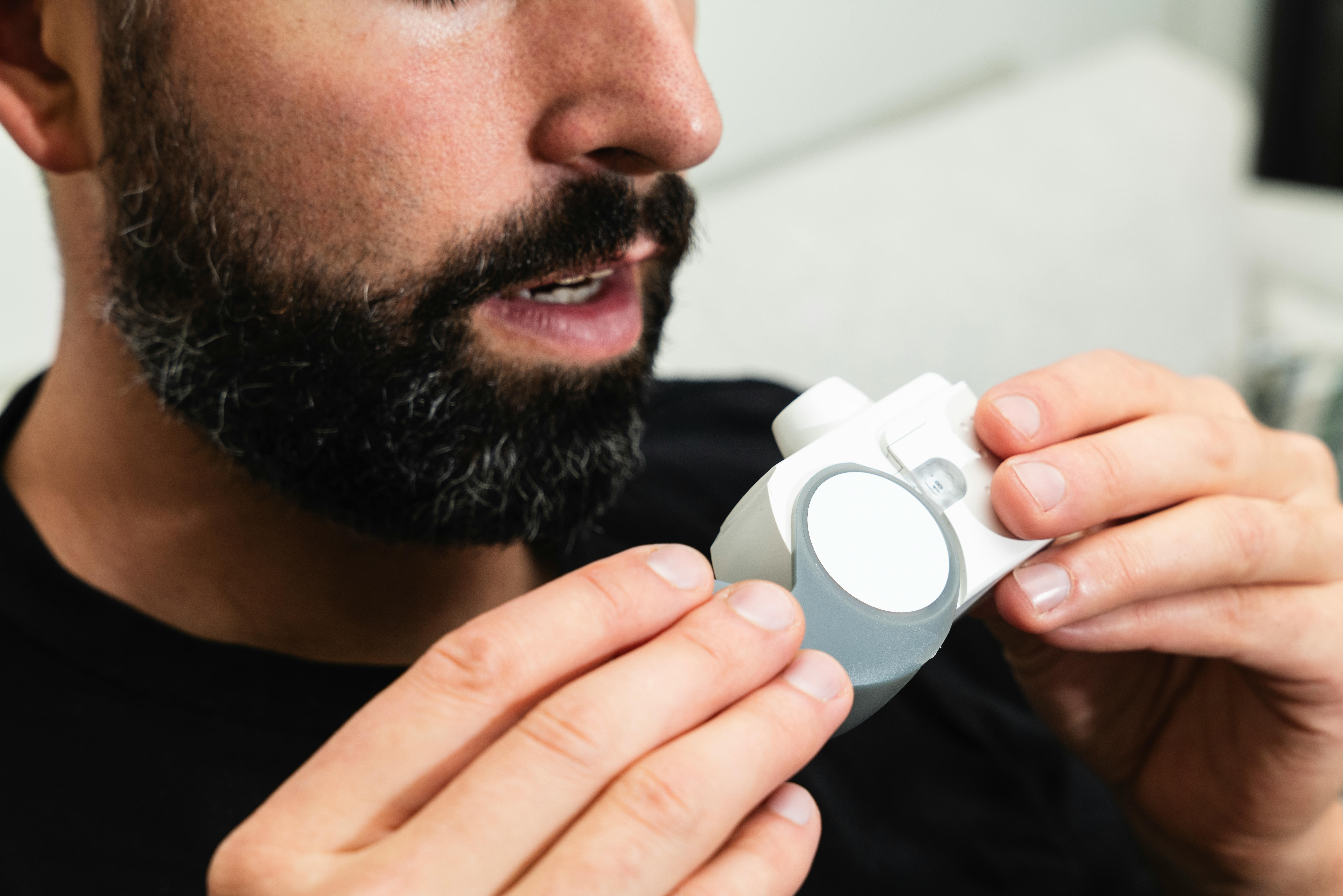
Person using breathing test device

To diagnose COPD, your doctor will ask about your symptoms, your smoking history, and any exposure to dust, fumes, or chemicals. They will also listen to your chest and may order some tests.

A key test is called spirometry. This is a simple breathing test where you blow into a machine as hard and as long as you can. The machine measures how much air you can blow out and how fast. This helps show how well your lungs are working.

Other tests may include:

  • Chest X-ray or CT scan: pictures of your lungs
  • Blood tests: to check oxygen levels and rule out other conditions
  • Oxygen saturation check: a small clip on your finger that measures oxygen in your blood

If you already have COPD, keeping your test results together can be helpful. You can upload your spirometry and oxygen readings to this website so your healthcare team can review them before your next appointment.

Understanding and preventing COPD flare-ups


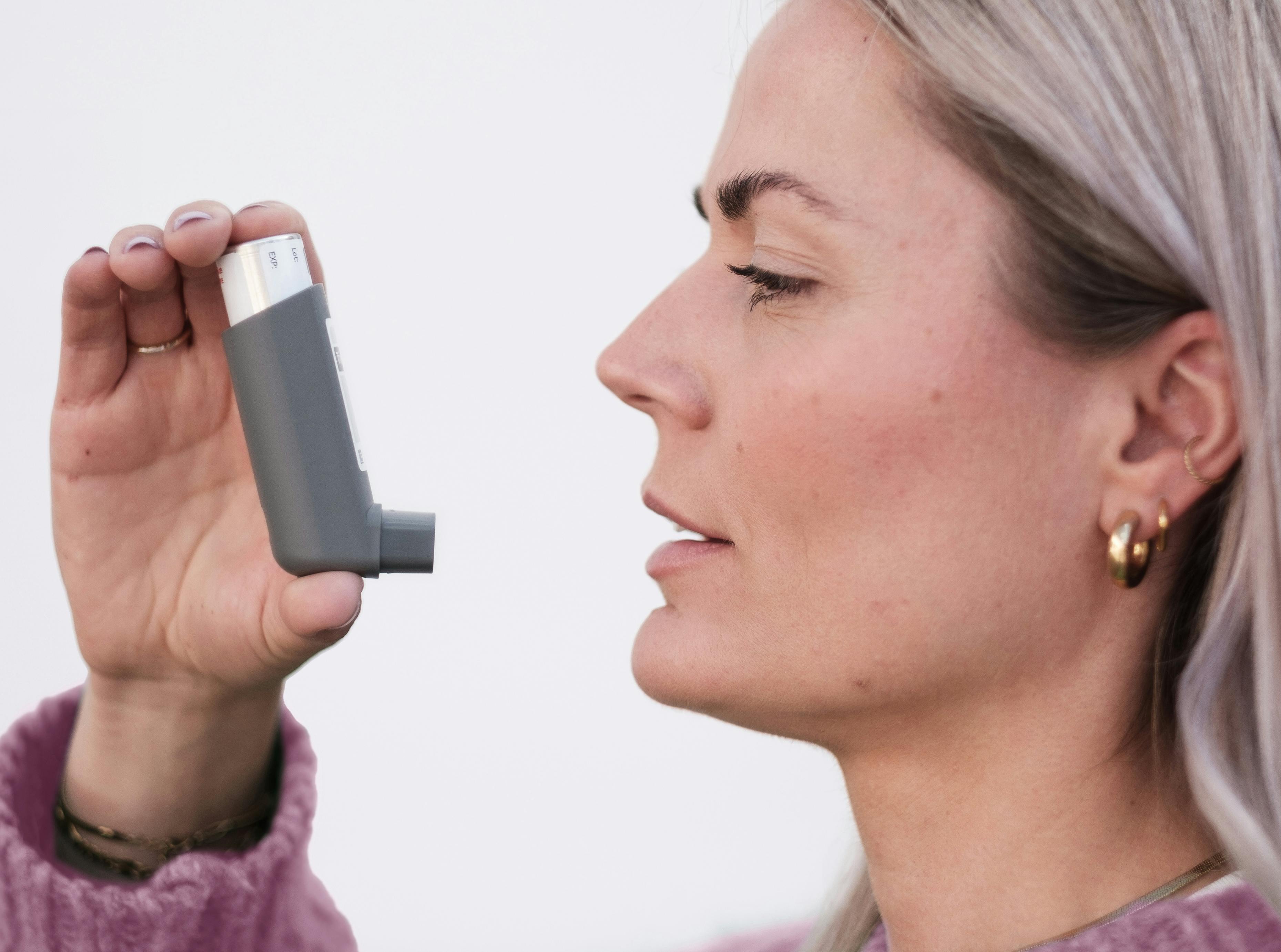
Person using asthma inhaler

A COPD flare-up (also called an exacerbation) is when your symptoms suddenly get worse. You might feel more short of breath, cough more, or notice your mucus changes colour or amount.

Common triggers include:

  • Colds, flu, or other infections
  • Smoke, dust, or strong fumes
  • Sudden changes in weather

To help prevent flare-ups:

  • Take your medicines exactly as prescribed
  • Get recommended vaccines (such as flu and pneumonia vaccines)
  • Avoid smoke and other irritants as much as possible
  • Wash your hands often and stay away from people who are unwell

You can use this website to record your symptoms and peak times for flare-ups. Sharing this information with your healthcare team can help them adjust your treatment and keep you more stable.

How to record oxygen saturation at home


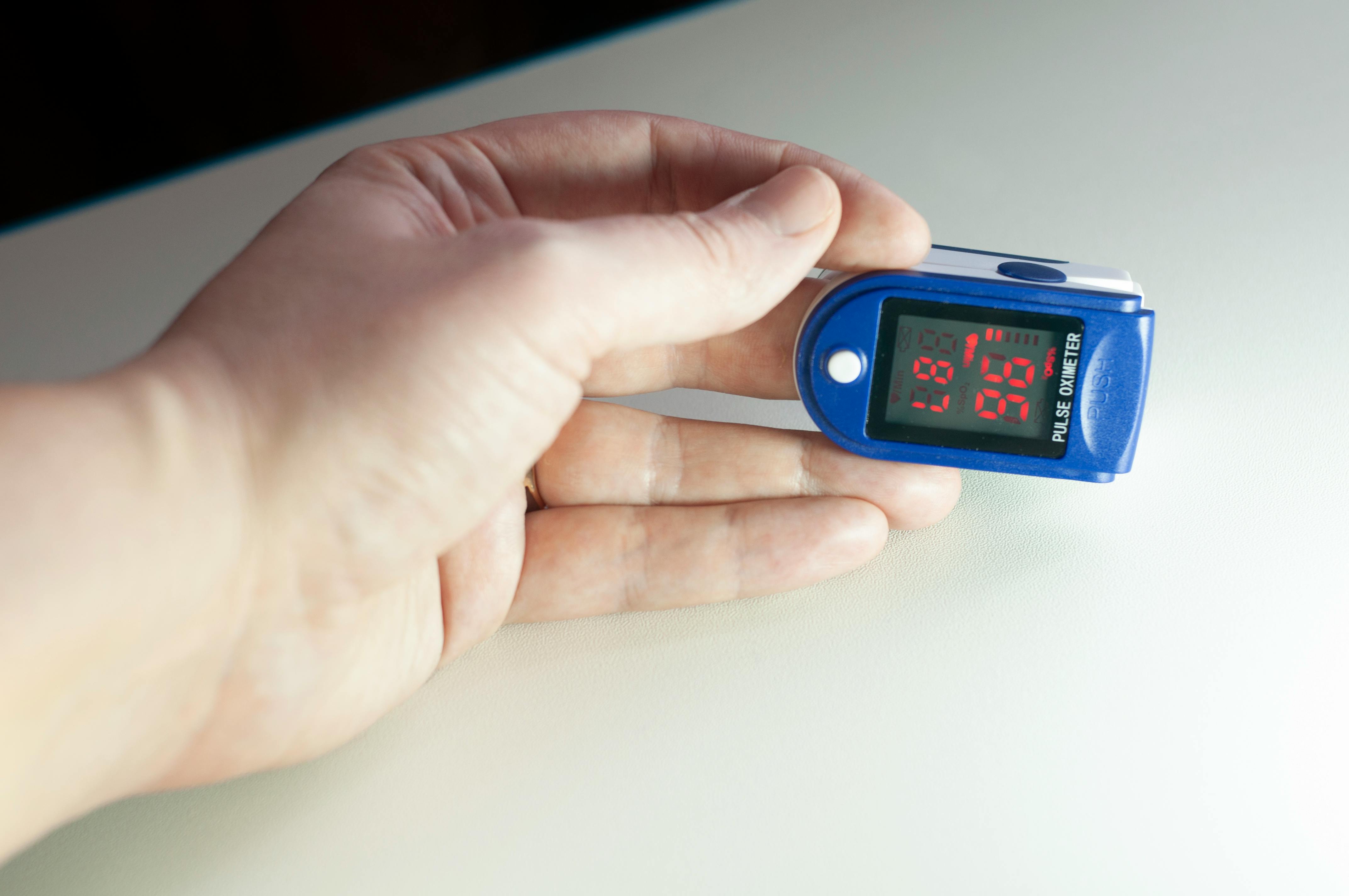
Finger pulse oximeter on a hand

Many people with COPD use a small device called a pulse oximeter at home. It clips onto your finger and measures your oxygen saturation, which is the amount of oxygen in your blood. It is usually shown as a percentage, like 94%.

To record your oxygen saturation:

  1. Rest for a few minutes before taking a reading.
  2. Place the oximeter on a clean, warm finger with no nail polish if possible.
  3. Keep your hand still and wait for the numbers to settle.
  4. Write down the oxygen level and your heart rate, plus the date and time.

Your doctor will tell you what range is safe for you. If your readings are often lower than your usual level, or you feel more breathless, follow your action plan and contact your healthcare team.

You can upload your oxygen readings to this website so your healthcare professionals can see trends over time and discuss them with you at your next appointment.